Nostalgia and Simplicity: The Appeal of Classic Slots
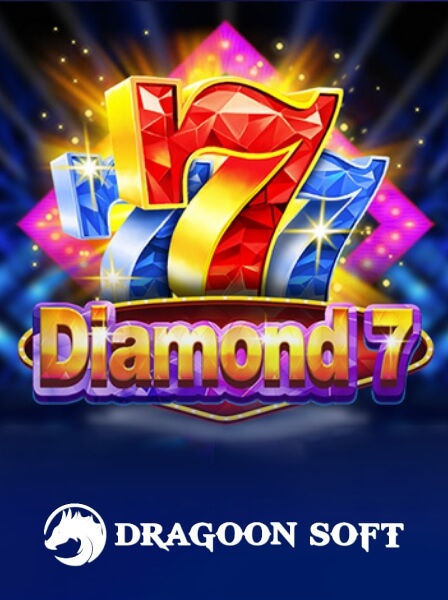
Classic-themed SlotMania games lean on nostalgia, straightforward mechanics, and instantly recognizable iconography—fruits, sevens, bells, and bars. Their primary appeal lies in low cognitive load: casual players can understand the rules in seconds, there are fewer paylines, and bonus mechanics are minimal or absent. This simplicity reduces barrier-to-entry and can increase session frequency among players who want quick, predictable entertainment rather than a deep, strategic experience.
From a design standpoint, classic slots emphasize high-contrast symbols and clean layouts so outcomes are obvious and the flow of spins feels fast. They commonly replicate the three-reel or five-reel aesthetic of physical slot machines with fixed payline structures, which fosters a tactile, arcade-like nostalgia. For many players, the psychological gratification of seeing aligned traditional icons is comparable to the pull-and-release action of old mechanical machines. This emotional resonance can produce strong brand loyalty among older demographics or players who favor retro gaming experiences.
Economically, classic slots often have simpler bonus math and more consistent win frequency, which can make bankroll management easier for players. Operators benefit because these titles tend to have stable engagement metrics and predictable lifetime values; they’re low-cost to maintain and can be attractive as evergreen content in a library. In marketing, classic slots are useful for re-engagement campaigns and for onboarding new players who might be overwhelmed by feature-heavy games. In short, the classic theme trades technological novelty for accessibility and emotional familiarity.
Graphics, Features, and Interactivity: What Defines Modern Slot Themes
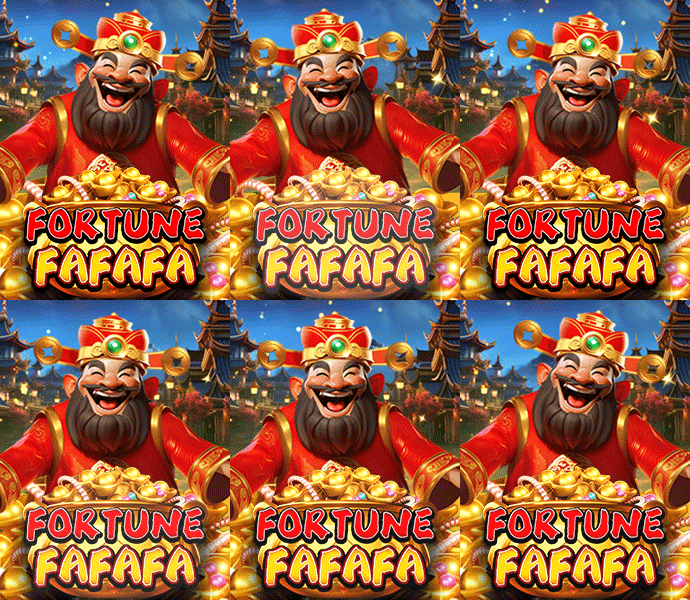
Modern-themed SlotMania slots focus heavily on cutting-edge graphics, narrative elements, and interactive features designed to engage players across longer sessions. These titles usually employ high-definition art, animated sequences, licensed IPs or original storytelling, and layered audio to create immersive environments. Visuals are no longer just decoration; they are integral to conveying progression, triggers, and rewards, reinforcing dopamine loops through audiovisual cues and animated feedback.
Feature-wise, modern games introduce mechanics like cascading reels, expanding wilds, Megaways-style variable paylines, cluster pays, bonus buy options, and complex multi-stage free spin features. These mechanics increase variance and create intermittent, high-value reward moments that keep players exploring the game’s systems. Interactivity extends to choice-based bonuses—players may select paths, levels, or modifiers in bonus rounds—giving a sense of agency and personalization. Social features such as in-game leaderboards, achievements, timed events, and community bonuses are frequently integrated to support retention and cross-player comparison.
From a development perspective, modern slots require larger investments: animation teams, sound design, backend systems for events, and additional QA for complex feature interactions. The ROI can be high if the title achieves strong initial traction because these games drive longer session lengths and higher in-game spend per active user. However, they can age faster—graphics and feature expectations evolve—necessitating regular content refreshes, live ops, and thematic seasons. Modern slots are the choice when the aim is deep engagement, differentiation in crowded markets, and monetization through richer feature sets.

Gameplay Mechanics and Payout Structure: Comparing Player Experience
When comparing gameplay mechanics between SlotMania’s classic and modern slots, the differences translate directly into player experience around risk, reward pacing, and perceived fairness. Classic slots tend to have straightforward paylines and clear, frequent small wins with occasional larger hits. This low-to-medium volatility profile appeals to players who prize consistent gratification and simpler bankroll control. The payout structure in these games is often easier to understand: fixed paylines mean outcomes correlate directly with visible symbol alignment, so players can quickly form expectations.
Modern slots, conversely, often introduce higher volatility through layered mechanics—multipliers, progressive bonus rounds, cascading reels that can create chains of wins, and features that offer rare but substantial payouts. This leads to a different psychological profile: players experience longer droughts punctuated by big payoffs. The thrill of chasing a big bonus or unlocking a rare feature is a key motivator for many players and can prolong sessions as users pursue a perceived “near miss” or the next chance at a major win.
Return-to-player (RTP) and house edge should be considered separately from theme: both classic and modern titles can be designed across a range of RTPs, but modern titles may mask effective RTP with complex features and bonus mechanics that create perceived volatility differences. Payline structures and hit frequency matter: classics usually offer transparent hit rates and simpler volatility curves, while modern slots’ complex math balances numerous bonus routes and variable outcomes. For players, the choice becomes a question of risk tolerance and entertainment preference—predictable, relaxed play versus dynamic, feature-driven excitement. For operators, balancing the portfolio between low-volatility classic slots and high-volatility modern slots allows catering to multiple segments and optimizing lifecycle monetization.
Market Trends and Player Preferences: Which Theme Performs Better?
Market data and player behavior studies suggest that neither classic nor modern themes strictly outperforms the other; the best-performing approach depends on audience segmentation, platform, and lifecycle stage. Casual players and older demographics consistently gravitate to classic themes for familiarity and ease of play. These titles work well for acquisition and retention of players who value low friction and quick sessions—mobile short-form play is a natural fit. Classic slots are also cost-effective catalog staples that maintain a baseline revenue stream.
Modern-themed slots often show superior performance in user acquisition campaigns targeted at younger, more engaged players seeking novelty and spectacle. They are more likely to generate viral attention, media coverage, and higher average revenue per user (ARPU) among engaged cohorts, particularly when supported by live-ops, seasonal content, or licensed properties. That said, modern slots demand ongoing investment in content and live event design to maintain momentum; their monetization peaks can be higher but may decay faster without continuous updates.
An effective product strategy for SlotMania is a hybrid portfolio approach: maintain a library of classic titles to anchor user expectations and provide stable revenue floor, while continuously developing modern titles that can capture spikes in engagement and ARPU. Data-driven segmentation enables targeted promotions—direct classic offers to lapsed casual users, and push modern themed content via events and competitions to high-value players. Ultimately, theme performance is contextual: success depends on execution quality, audience targeting, and the broader ecosystem of promotions, community features, and platform optimization.